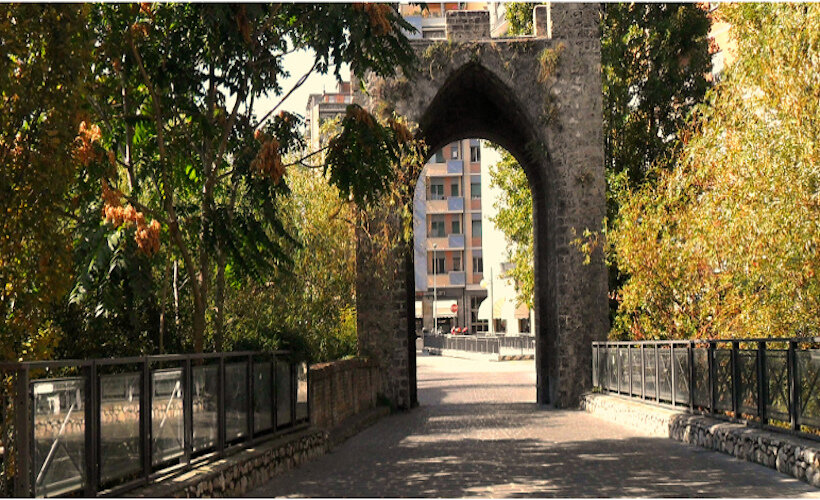
La collocazione di Terni, che in epoca romana era chiamata Interamna perché situata tra due fiumi, e la sua ubicazione a valle, rispetto ai piccoli centri vicini situati sulle rupi e sulle colline circostanti, fanno in modo che la città sia un crocevia di luoghi turistici e centri di culto presenti in tutta la Regione Umbria.
A metà dell’800, in seguito all’Unità d’Italia, le attività commerciali della città erano costituite da attività manifatturiere che si erano sviluppate intorno alle abbondanti acque trasportate dai torrenti e la città, da contadina e artigianale, si avviava verso una differente identificazione economica e sociale grazie alla nascita di importanti siti industriali.
L’industria rappresenta tutt’oggi un’importante settore dell’economia umbra, ma accanto a essa, Terni possiede altri settori in enorme sviluppo, come il turismo delle sue bellezze culturali (costruzioni di epoca romana, palazzi rinascimentali) e dei suoi centri di culto millenari.
Intorno alla città si estende un ricco paesaggio di caratteristici borghi medievali. Le località di Stroncone, Acquasparta, San Gemini, Narni, Amelia, Orvieto e molti altri piccoli centri, ognuno con manifestazioni folcloristiche e gastronomie tipiche e ricche di storia, rafforzano al tempo stesso l’identità di questi luoghi e ne valorizzano le tradizioni.
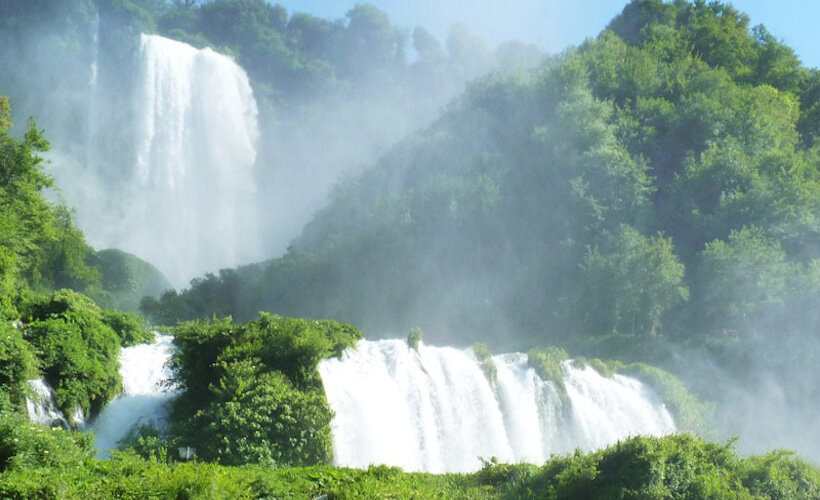
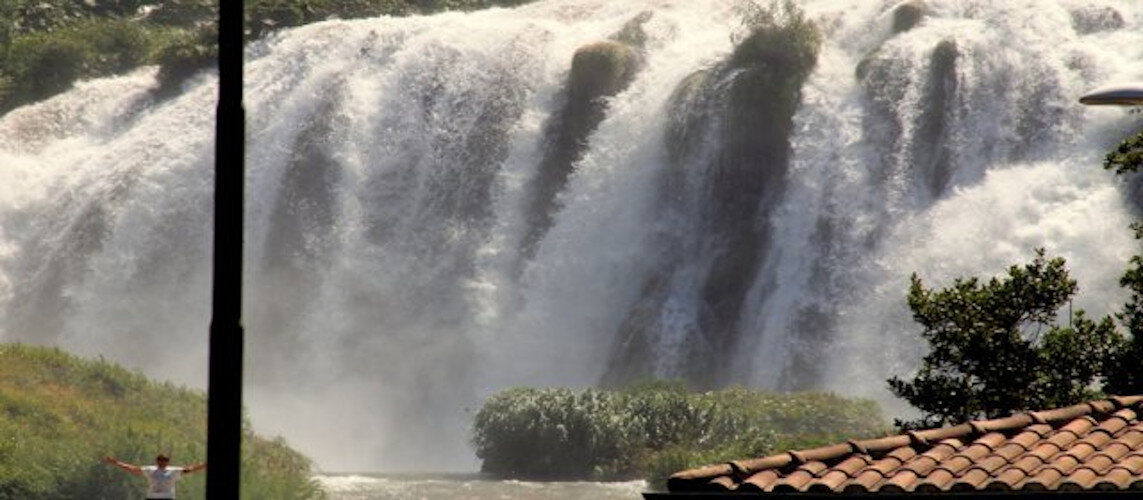
Il verde delle colline e i numerosi corsi d’acqua esprimono la loro naturale bellezza. Il Lago di Piediluco sovrasta e alimenta la Cascata delle Marmore, la cascata più alta d’Europa, che evoca forti emozioni per l’impetuosa quantità e forza dell’acqua che precipita a valle dopo un salto di centosessantacinque metri.
Nell’area naturalistica della Valnerina si trovano i maggiori centri per lo sport a contatto con paesaggi naturalistici incontaminati. Percorsi per amanti della bicicletta, della canoa, dell’equitazione, dell’escursionismo a piedi, della pesca sportiva, del rafting, dell’hydrospeed, della scalata su roccia, del torrentismo, del paracadutismo, del volo con deltaplano e con parapendio, del wind-surf: sono solo alcune delle attività sportive praticate in questi luoghi dai turisti e da semplici amanti dello sport e della natura che desiderano stare in stretto contatto con un ambiente sano.
L’acqua nella Città di Terni non sostiene soltanto le industrie e permette di praticare i numerosi sport sopra citati. Notevoli infatti sono anche le sorgenti di acque minerali che alimentano i numerosi resort termali.
Si annoverano anche località di epoca romana, come l’antica città di Carsulae, attraversata dalla Via Flaminia, in cui sono ben conservati monumenti e reperti archeologici legati alla vita pubblica e privata dell’antica Roma.
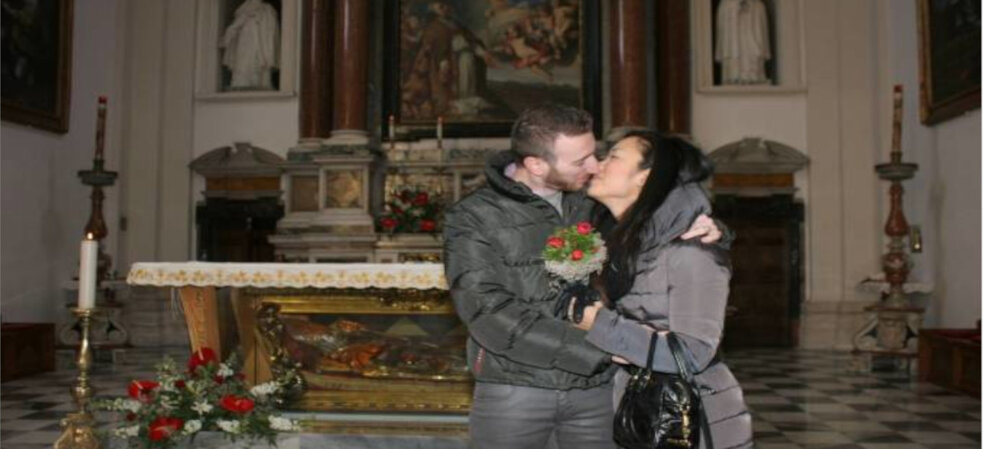
La città di Temi fu crocevia dei percorsi di evangelizzazione di San Benedetto da Norcia e di San Francesco d’Assisi; nelle zone attraversate dai Santi nacquero centri di culto ancora oggi in piena attività. In memoria di San Benedetto ricordiamo il Monastero di San Cassiano, fondato da una comunità di monaci siriani nella verde gola di Stifone, nei pressi di Narni, e l’Abbazia di San Benedetto in Fundis, vicino Stroncone, di cui restano alcune rovine.
Esempi di edifici francescani sono la Chiesa di San Francesco a Terni, dove i seguaci del Santo d’Assisi si insediarono alla fine del ‘200, il Convento di San Francesco a Stroncone, fondato dall’omonimo Santo, e il Sacro Speco, vicino Narni, esempio di eremo francescano incastonato nella montagna ancora oggi luogo di pace e di silenzio per la contemplazione e la pace dello spirito.